

on winter
and the act of surrendering

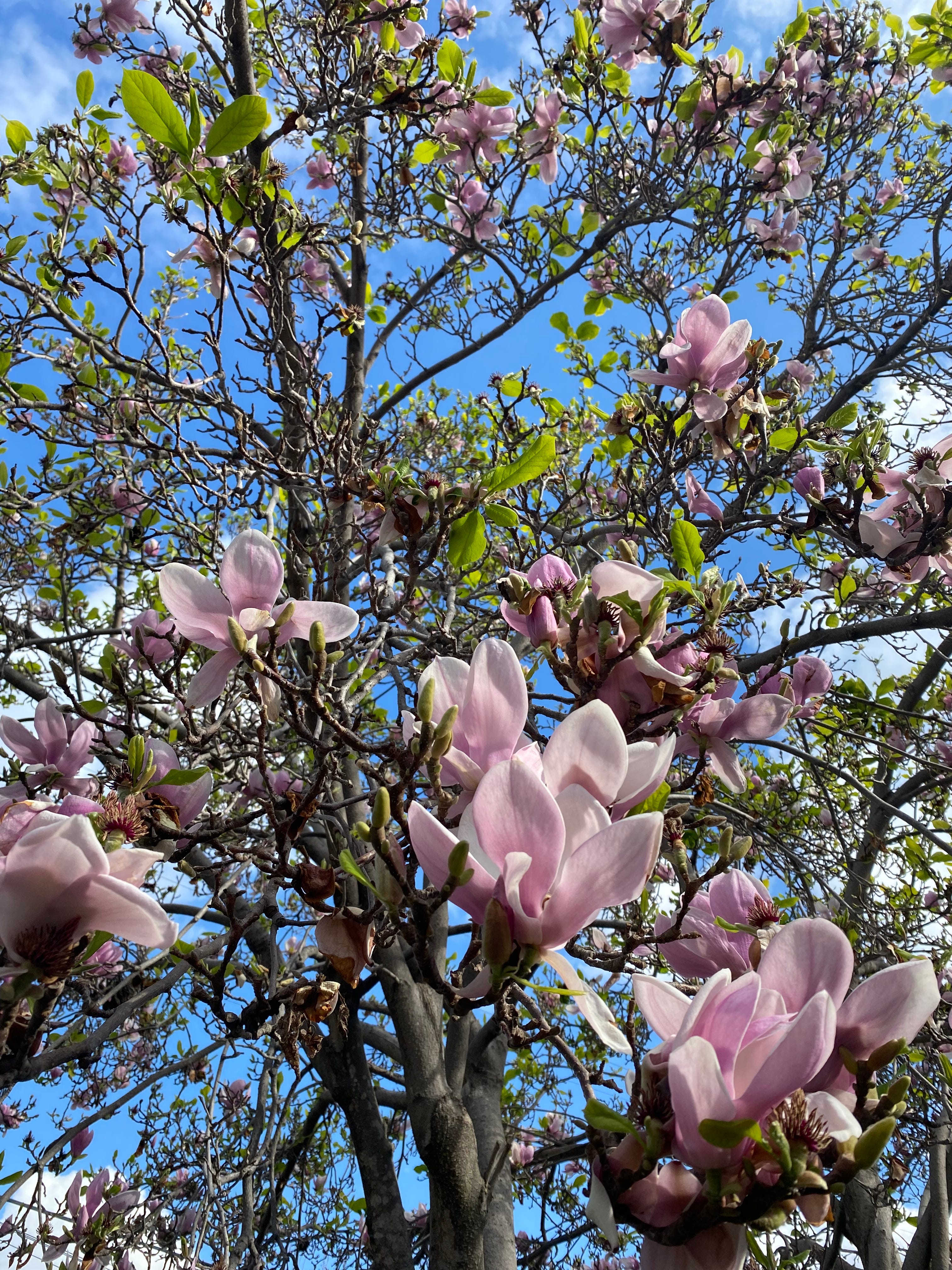
The magnolia trees are starting to bloom here in Los Angeles. I notice the first tender buds as they reach towards the heavens, so hopeful in their eagerness for it to be their time. Blossoms wide and pink, fat and luscious. A welcome shock of color against a dull gray sky.
These changes in flora signal winter’s slow retreat. The pomegranates are nearly gone, the persimmons for certain. A mourning, for I know I won’t be able to have them—those arils and their surprise tartness, their sweet, crunchy bite—until October.
What do you associate winter with? The first cranky hiss of a radiator? A bleakness? An extra false brightness all around, glittery and a bit manic? For many of us, it’s the time of year we dread the most, especially after the fanfare of the holidays has ended. No more of this, we say, craving the languid heat of a summer evening, a bit of sun on our skin.
In winter, our shadow selves emerge. “It is the animal in us that knows the dark,” writes Nina McLaughlin in Winter Solstice: An Essay, a lyrical and moving meditation on winter. McLaughlin goes on to say:
This season stirs that animal in us, and stirs the memories, ones that live in all of us, submerged so deep, of the ancient dark, of a time before gods, before form and words and light. Memories of helplessness. Somewhere, deep in, we remember. The animal in us remembers.
That ancient dark is terrifying. It’s Plato’s cave, the bottom falling out beneath you. A fear so terrible you wonder if you’ll ever shake it off. Winter can feel sorrowful, the blank space between branches bringing about a kind of grief. We grow impatient, doubtful. Betrayal sets in. Will spring ever come?
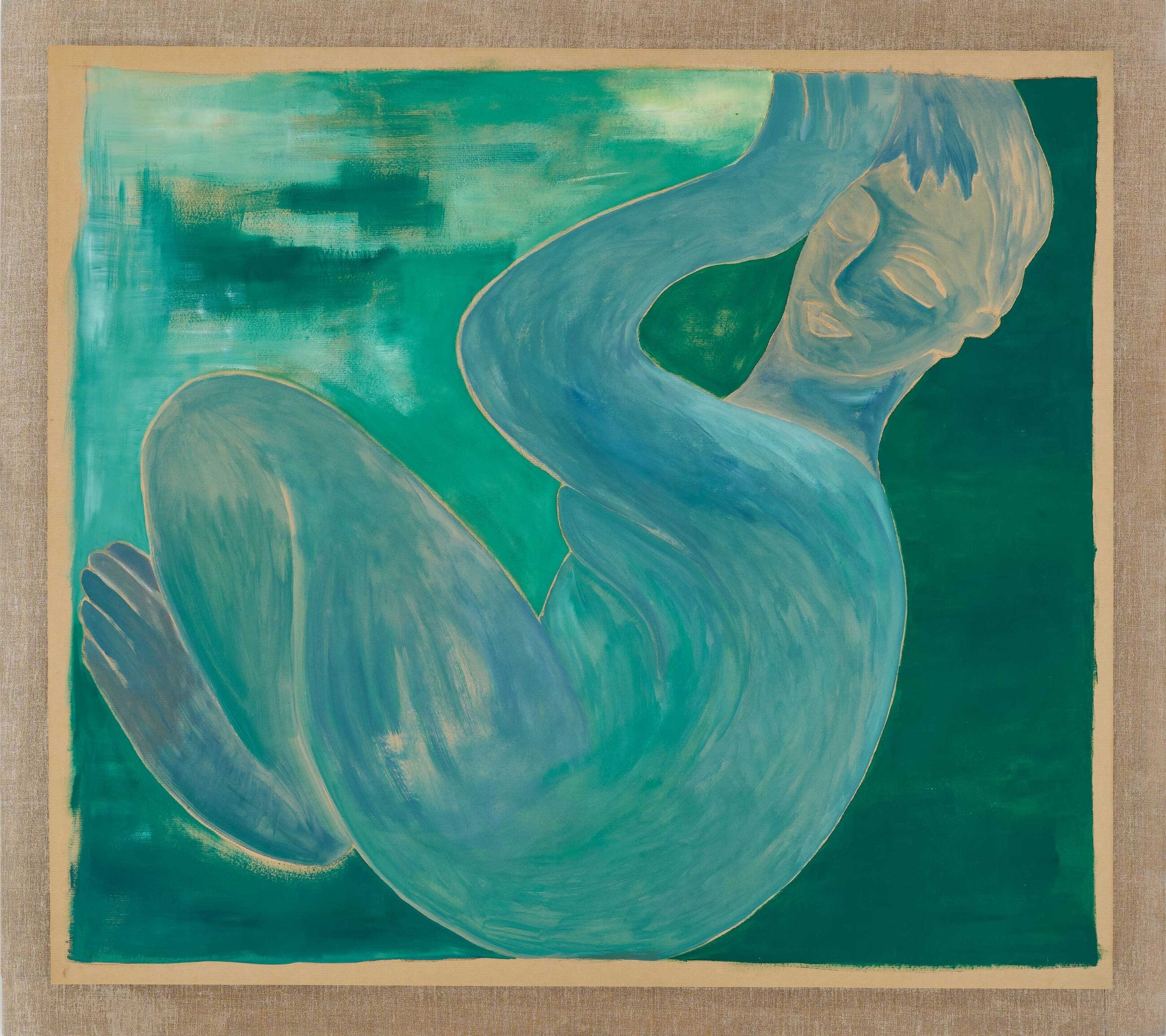
Winter forces us to surrender, an act that doesn’t always feel good. Many of us associate surrendering with a kind of defeat or failure. To surrender means we have given up.
But to surrender also means to yield. In being forced to give in, something in us is released. A belief or expectation, or perhaps a desire. That giving in is terrifying, a breathless, free-fall feeling. But it is also an opening up—a window to elsewhere.
This week I listened to “Seeds of Reciprocity,” a panel discussion between Cambodian-American filmmaker Kalyanee Mam, singer and song collector Sam Lee, and environmental justice activist Joycelyn Longdon. Mam, Lee, and Longdon’s conversation occurred on the occasion of Shifting Landscapes, an exhibition presented by Emergence Magazine that explored “our entanglement with the biosphere, from the smallest stirrings of life within our bodies to the massive imprints we have left on the Earth’s face.”
Early on in their conversation, Longdon—who founded Climate in Colour, an “online education platform and community making climate conversations more accessible and diverse”—brings up the notion of surrendering as an essential aspect of her work as an environmentalist:
[There’re] so many ways I’ve been taught to surrender, and that surrender is something that’s really powerful. And I think when we’re talking about environmental action or environmental solutions, it feels very uncomfortable to say, we’re going to surrender, because people interpret surrender as giving up or as inaction. […] And rather than fighting against the not knowing, seeing that as an opening to learn, as an opening to hear things that we’re not hearing.
[…] A lot of people are not being listened to, and there’s a discrepancy with who gets to choose what our blueprint is, who gets to choose what our path is. Who, nonhuman or human, are we not listening to when we fail to surrender, when we fail to just have a period of time to be imbued with something else other than our own kind of imagination? Because our imaginations are limited and they need to be expanded, and I think that the way we do that is through surrendering.
To be imbued with something else other than our own kind of imagination. How terrifying. But also, how freeing.
The older I get, the more I welcome the act of surrendering. Maybe it’s the arrogance of youth that tells us that we are owed everything, that we know better. More and more I find myself welcoming the silence, listening for what I don’t know.
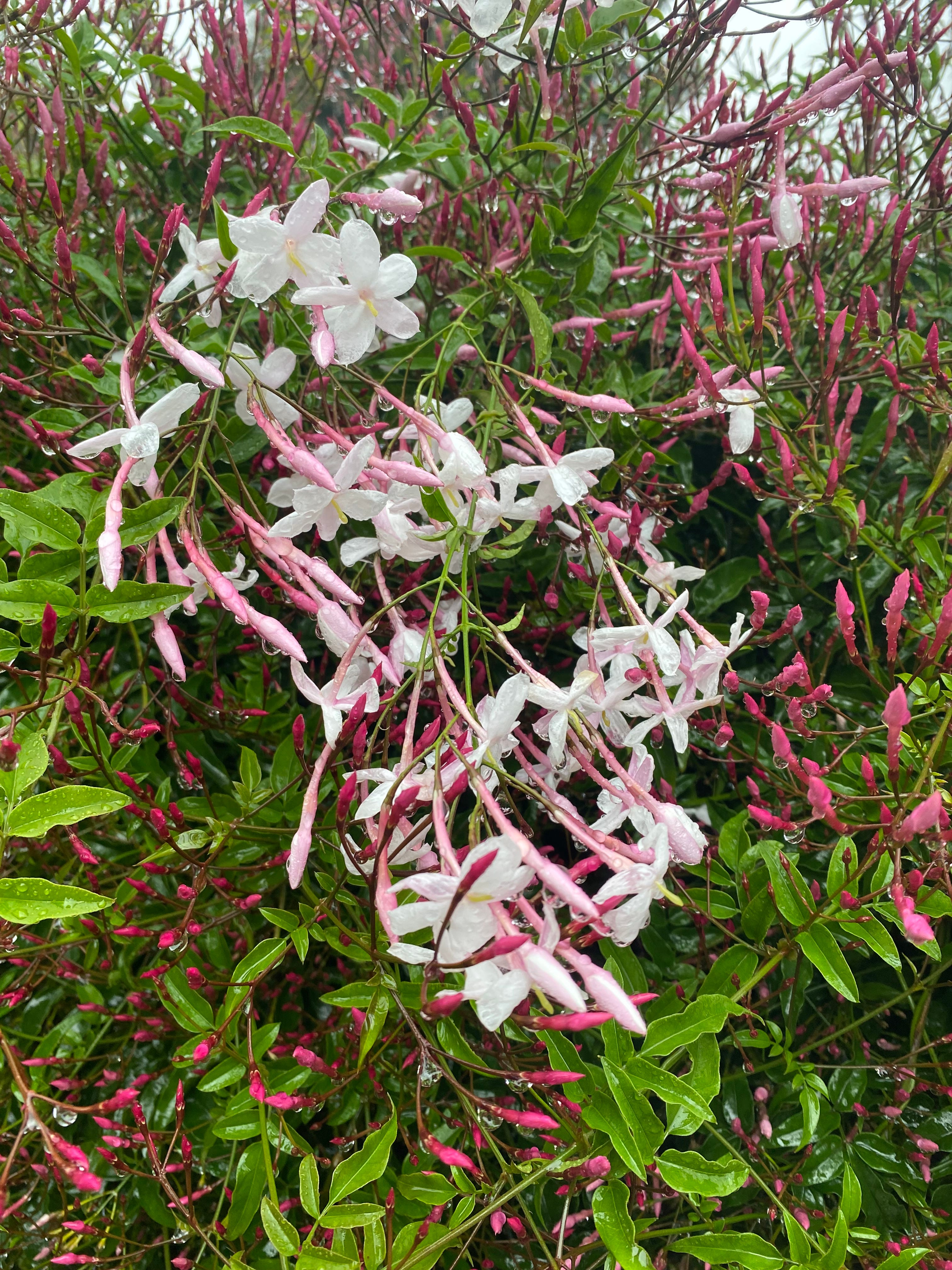
In the garden, winter is a time for preparation and contemplation. This is only my second year in the garden, but it’s a time of year I’ve learned to find pleasure in. I feel a sense of infinite possibility, a strange and intoxicating kind of power. (I think most of us gardeners feel like little gods as we toil over our beds). I see potential in winter’s deadening, which is not a deadening but in fact an alivening all of its own.
This fall, I ordered a bunch of seed catalogs. (This one’s my favorite). I bought more than I could ever need, but honestly, I just wanted something to look forward to. It’s meant to rain this week, and so it seems like the perfect time for me to finally look through them. I’m envisioning more ornamentals—Eschscholizia californica, if it’s not too late, and some Lobelia cardinalis given to me by a dear friend.
This week’s encounters & recommendations:
I. A film that evokes winter
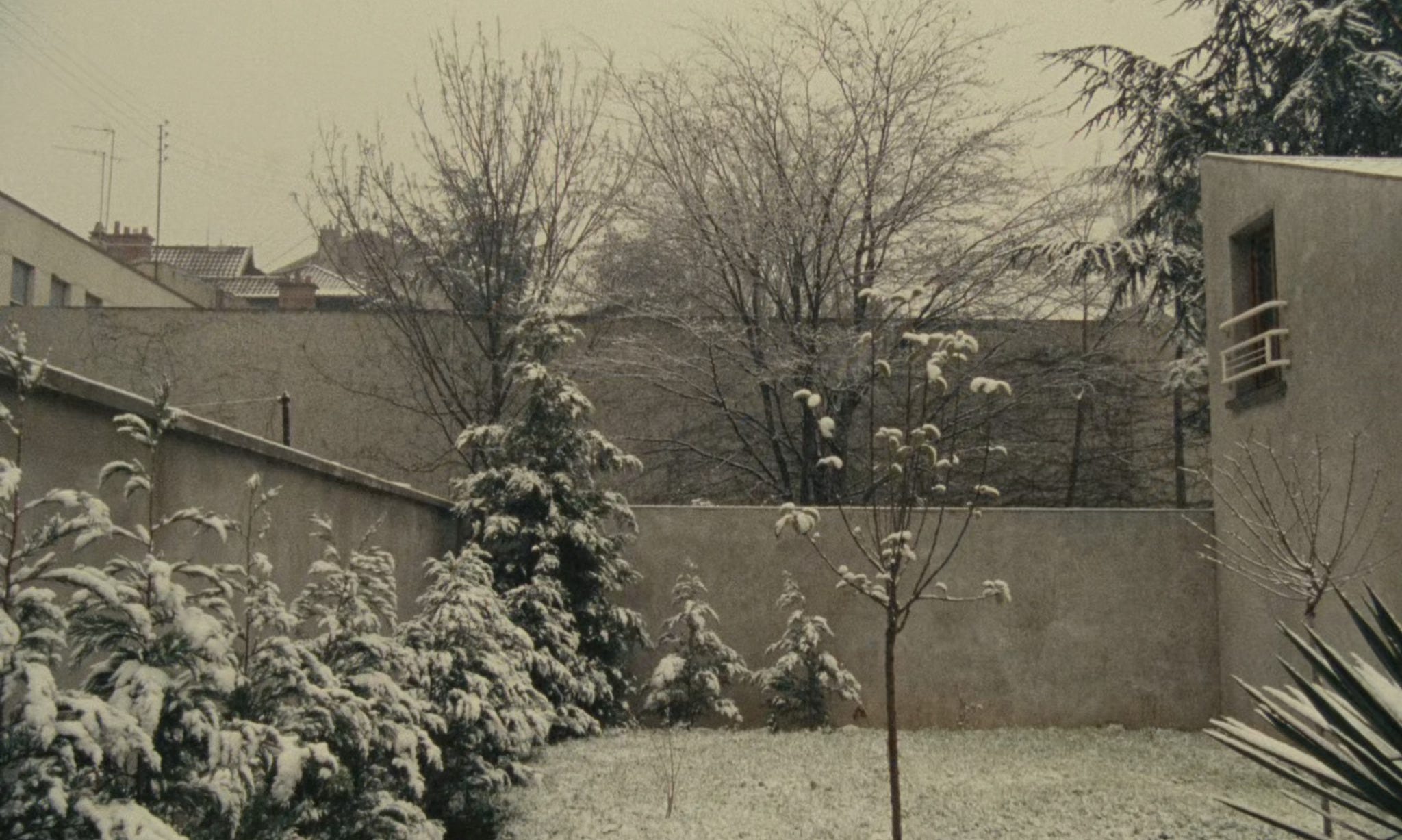
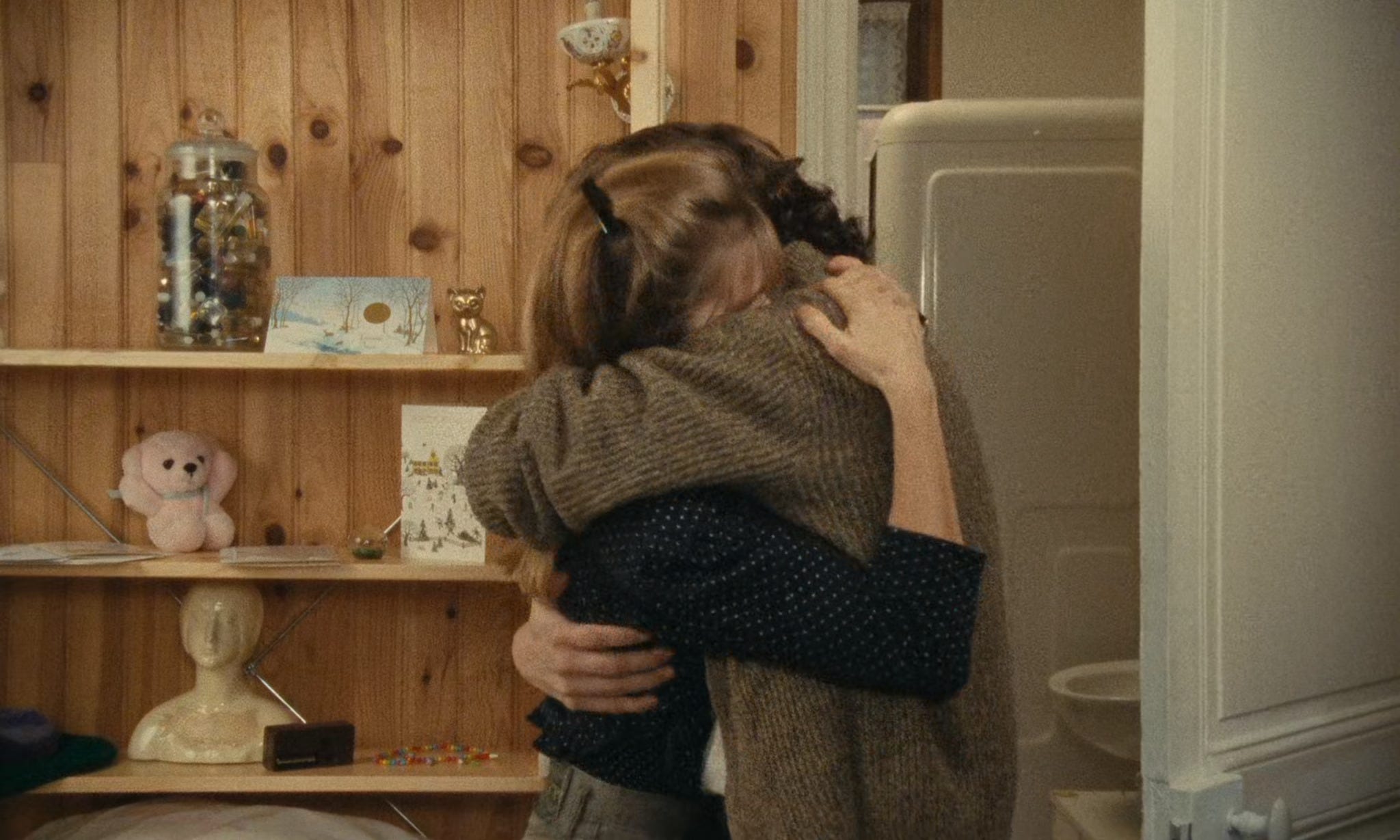
The second in Éric Rohmer’s “Four Seasons” series, A Tale of Winter (1992) perfectly evokes the longing of winter. A philosophical play on Shakespeare’s “A Winter’s Tale,” the film follows Félicie (played by Charlotte Véry) a young woman who holds out for a miracle that she will be reunited with the love of her life, a man named Charles she met by happenstance on the beach five years prior. Like many of Rohmer’s films, A Tale of Winter is about faith and fate.
Other winter-y film recommendations: Birth (2004), dir. Jonathan Glazer and Three Colors: Blue (1993), dir. Krzysztof Kieślowski.
II. An art recommendation (or two…)
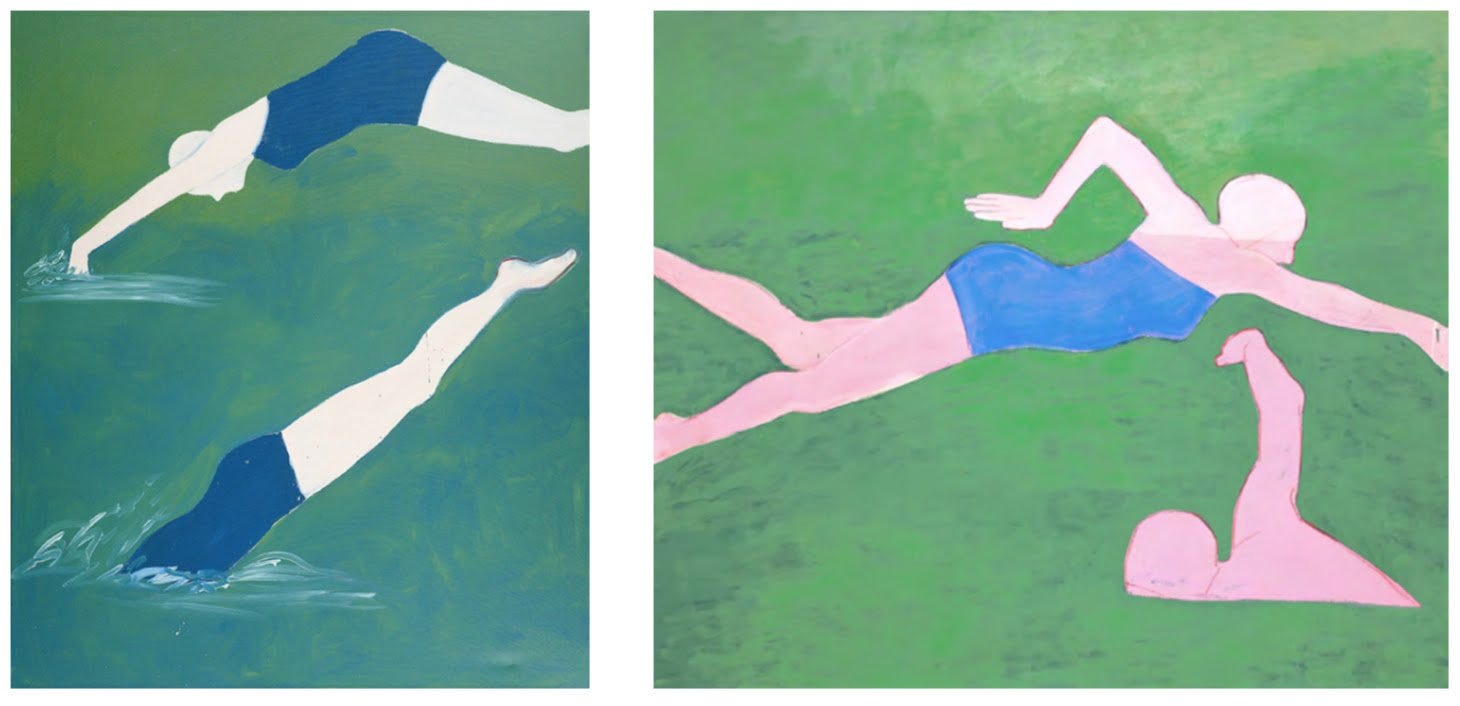
If you’re in Los Angeles, there are a host of great exhibitions on view this month. I’m especially excited about: RETROaction (Part Two) at Hauser & Wirth, Catherine Opie’s Harmony is Fraught at Regen Projects, At the Edge of the Sun at Jeffrey Deitch (opens Feb 17), Joan Brown’s paintings at Matthew Marks Gallery, and Louise Lawler’s Going Through the Motions at Sprüth Magers (until Feb 10).
III. A poem
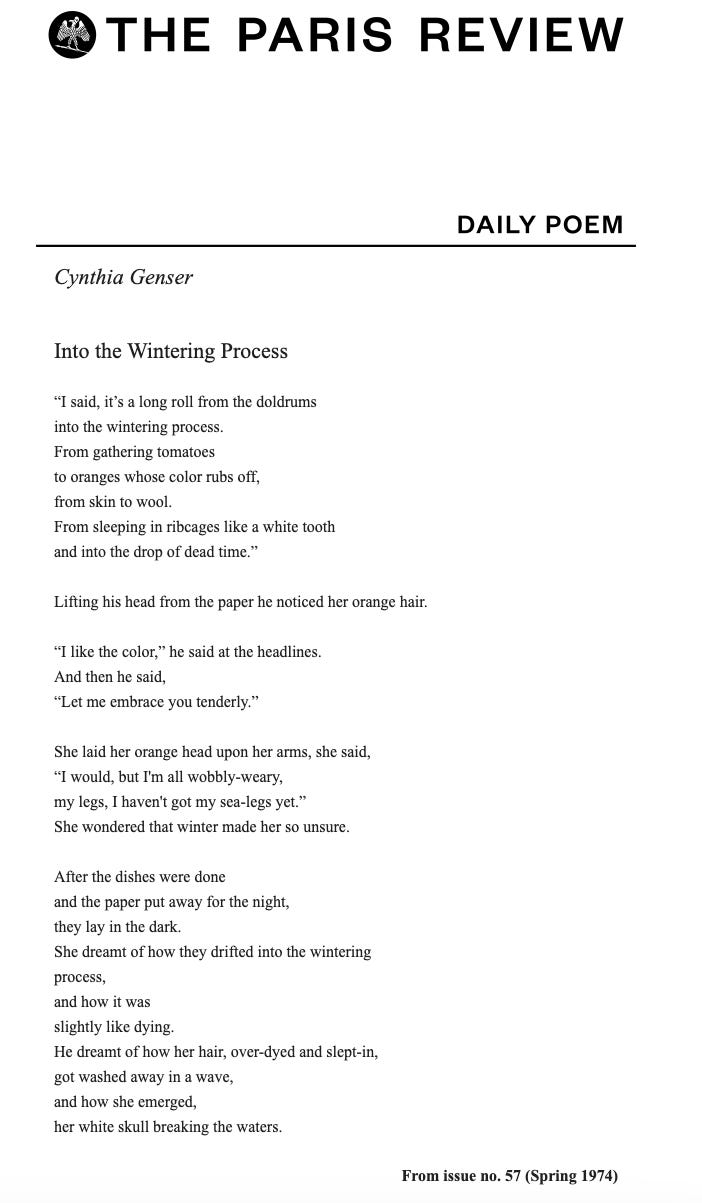
The Grammys are tonight, and in honor of poet aja monet’s nomination, I wanted to share this piece I wrote on aja’s debut album, when the poems do what they do, for Another Magazine. aja is an incredible human being and performer, and I hope she gets her flowers tonight!
As always, thank you for reading! If you enjoyed this post, please don’t hesitate to share it. These weekly posts are free, and every single view and subscription directly supports me and my work.
I’ll see you in a week 💌